Japanese Haiku: Crafting Emotion Without Similes or Metaphors
In the vast landscape of poetry, few forms capture the imagination quite like the haiku. Originating from Japan, this distinctive Japanese verse is renowned for its brevity, its adherence to nature, and perhaps most strikingly, its unique approach to evoking deep emotion. Unlike many Western poetic traditions that rely heavily on figurative language – the eloquent dance of similes and metaphors – true haiku deliberately eschews such literary devices. Instead, it invites readers into a world of direct observation, sensory detail, and the profound power of implied meaning. This article delves into the artistry behind crafting emotion in haiku, exploring how this three-line poetic form achieves remarkable emotional depth by stripping away the ornamental and focusing on the essence of experience.
The Distinctive Nature of Haiku: A Direct Gaze
At its core, a true haiku is a three-line mood poem, designed to capture a fleeting moment or a specific sensory experience. What sets this iconic 17-syllable Japanese verse form apart from many other poetic styles is its deliberate avoidance of comparisons. Where a Western poet might say, "The moon was like a pearl in the sky," a haiku poet would simply present the moon, perhaps noting its brilliance or its position relative to a cloud or a distant peak. This isn't a limitation; it's a foundational principle that shapes the entire aesthetic of the form.
The absence of similes and metaphors forces both the poet and the reader to engage with the world more directly. There's no intermediary language, no "as if" or "like a." Instead, the image stands on its own, raw and unadorned. This directness fosters a sense of immediacy, pulling the reader into the present moment the poet observed. It emphasizes the 'thingness' of things, celebrating the intrinsic qualities of an object or phenomenon rather than its resemblance to something else. This approach aligns with Zen principles often associated with haiku, encouraging a mindful appreciation of the world as it is, without imposing interpretive filters.
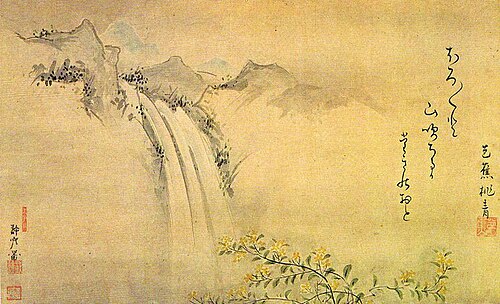
For centuries, masters of this traditional Japanese verse, such as Matsuo Bashō, Yosa Buson, and Kobayashi Issa, honed this technique, demonstrating that profound emotional resonance doesn't require elaborate comparisons. It often emerges from the simple, yet precise, presentation of reality.
Crafting Emotion Through Sensory Detail and Observation
If not through figurative language, how does a haiku convey emotion? The answer lies in the masterful deployment of sensory detail and astute observation. Haiku poets are keen observers, focusing on what they see, hear, smell, touch, and sometimes even taste, in a particular moment. By presenting these concrete details, the poet invites the reader to relive the experience and, in doing so, to feel the accompanying emotion.
Consider a haiku describing a chilly morning. Instead of stating, "I felt sad because it was cold," a haiku might present:
- Old pond, still.
- A frog jumps in —
- Sound of water.
Bashō's famous haiku doesn't explicitly mention cold or sadness, but the stillness of the old pond, broken only by the sudden splash, evokes a sense of profound quiet, perhaps loneliness, or a meditative calm. The emotion isn't described; it's implicit in the images themselves and the stark contrast between stillness and sudden movement. This is the essence of "showing, not telling" in haiku.
Furthermore, haiku often employs kigo, a season word, which is not just an indicator of the season but a powerful emotional and cultural shorthand. A cherry blossom isn't just a flower; it evokes themes of beauty, transience, and the joy of spring. A falling leaf signifies autumn, melancholy, and the cycle of life. These concrete elements, rich with associated meanings, subtly infuse the poem with emotional depth without needing a single simile or metaphor. The genius lies in the poet's ability to select just the right details that resonate with universal human experience.
The Art of Juxtaposition and Implied Meaning
Another powerful technique in haiku is the use of juxtaposition, often facilitated by a "cutting word" or kireji in traditional Japanese forms. This involves placing two distinct images or ideas side-by-side, allowing the tension and connection between them to create a deeper meaning or emotional impact. The poem doesn't explain the relationship; it trusts the reader to make the connection, thereby fostering a more intimate and personal experience.
For instance, one line might describe a grand, natural scene, and the next a small, human action. The space between these elements is where the emotional charge resides. It's in the leap the reader's mind makes from one image to the next that the magic happens. This implication, rather than explicit statement, is a hallmark of the finest Japanese verse.
Take Issa's famous haiku:
- Don't weep, insects —
- Lovers, stars themselves,
- Must part.
Here, Issa juxtaposes the small, seemingly insignificant insects with the vastness of stars and the universal pain of separation. He doesn't say "the insects' cries are like the tears of parting lovers"; he presents both images, allowing the reader to feel the shared sorrow, the cosmic melancholy that unites all beings in their ephemeral existence. The emotion is not just conveyed; it is co-created by the reader's engagement with the juxtaposed elements.
Practical Tips for Crafting Emotion in Haiku
For aspiring poets keen to explore this profound form of Japanese verse, here are some practical tips to cultivate emotion without resorting to similes or metaphors:
- Embrace Direct Observation: Spend time truly observing your surroundings. Focus on a single moment, a single object, or a single interaction. What are the undeniable, physical facts of that moment?
- Engage All Five Senses: Go beyond what you see. What sounds are present? What scents? What textures? Is there a taste or a temperature? Concrete sensory details are your strongest tools.
- Focus on Specificity: Instead of "a bird," specify "a robin" or "a sparrow." Instead of "flowers," specify "cherry blossoms" or "irises." Specificity makes the image clearer and more evocative.
- Show, Don't Tell: Rather than stating an emotion ("I felt lonely"), present the scene that *evokes* loneliness (e.g., "Empty swing sways / in the forgotten breeze / evening falls").
- Practice Juxtaposition: Think about contrasting images or ideas. How does a small detail interact with a larger one? How does movement interact with stillness? The tension between these elements often sparks emotional depth.
- Use Strong Nouns and Verbs: Let the objects and actions carry the weight of your poem. Minimize adjectives and adverbs, especially those describing emotions directly.
- Read Classic Haiku: Immerse yourself in the works of Bashō, Buson, Issa, and Shiki. Pay attention to how they construct their poems, how they use season words, and how they subtly weave in emotion without direct statement.
- Be Patient: Crafting concise, evocative haiku takes practice. Don't be afraid to revise and refine, stripping away anything that doesn't contribute directly to the moment or the implied feeling.
The art of haiku is a testament to the power of understatement and precision. By foregoing the rich tapestry of similes and metaphors, this remarkable 17-syllable Japanese verse form challenges poets to find deeper truths in the ordinary, to reveal profound emotional landscapes through the simplest, most direct presentation of the world. It’s an invitation to see, truly see, and to share that unadorned vision with others, allowing them to complete the emotional circuit themselves. This unique approach ensures that haiku remains one of the most enduring and captivating forms of Japanese verse, continuing to inspire and move readers across cultures and centuries.